Visit Scotland | Alba

Looking for advice and support to start, improve, grow, or promote your business? View our Business Support Hub.

Article published 23/09/2026

What makes someone choose to visit a specific destination?

Stunning scenery and landscapes might catch the eye. An event might spark interest. A new attraction might be added to the top of the bucket list.

But increasingly, food and drink are becoming some of the most powerful reasons to travel.

Across Scotland, visitors are seeking experiences that help them connect with a place, its people and its stories. Whether it is tasting oysters harvested from a centuries-old fishery, enjoying seafood landed that morning in a bustling west coast harbour, or discovering a local whisky with deep roots in the community, food and drink can turn a simple visit into something far more memorable.

For destinations and events, that's a powerful opportunity. Food and drink are no longer just part of the visitor experience. They can help a destination to stand out, shape perceptions and support the local visitor economy.

Whisky tasting session at Ooshka Bar in Oban. Credit: VisitScotland / Allan Myles

Why food and drink tourism matters

Research shows that in Scotland, 22% of domestic visitors' trip spend goes on food and drink, with GB residents spending £719 million on eating and drinking during overnight trips in 2024. And in 2026, food tourism was identified as a travel trend in Scotland.

But the value of food tourism goes far beyond visitor spend.

A destination's food and drink offer can provide a sense of place in a way that few other tourism products can. It allows visitors to engage with local culture, meet producers and businesses, and gain a deeper understanding of where they are.


The most successful destinations understand this. Rather than treating food as something visitors simply consume while they're there, they use it as a central part of their tourism proposition. Food becomes the hook that inspires travel, the experience that creates lasting memories and the story that visitors take home and share.

Two Scottish examples that demonstrate this approach particularly well are the Stranraer Oyster Festival and Oban, Scotland's Seafood Capital.

Stranraer Oyster Festival: when an event becomes a destination brand

On the shores of Loch Ryan, a local shellfish has become the catalyst for a remarkable tourism story.

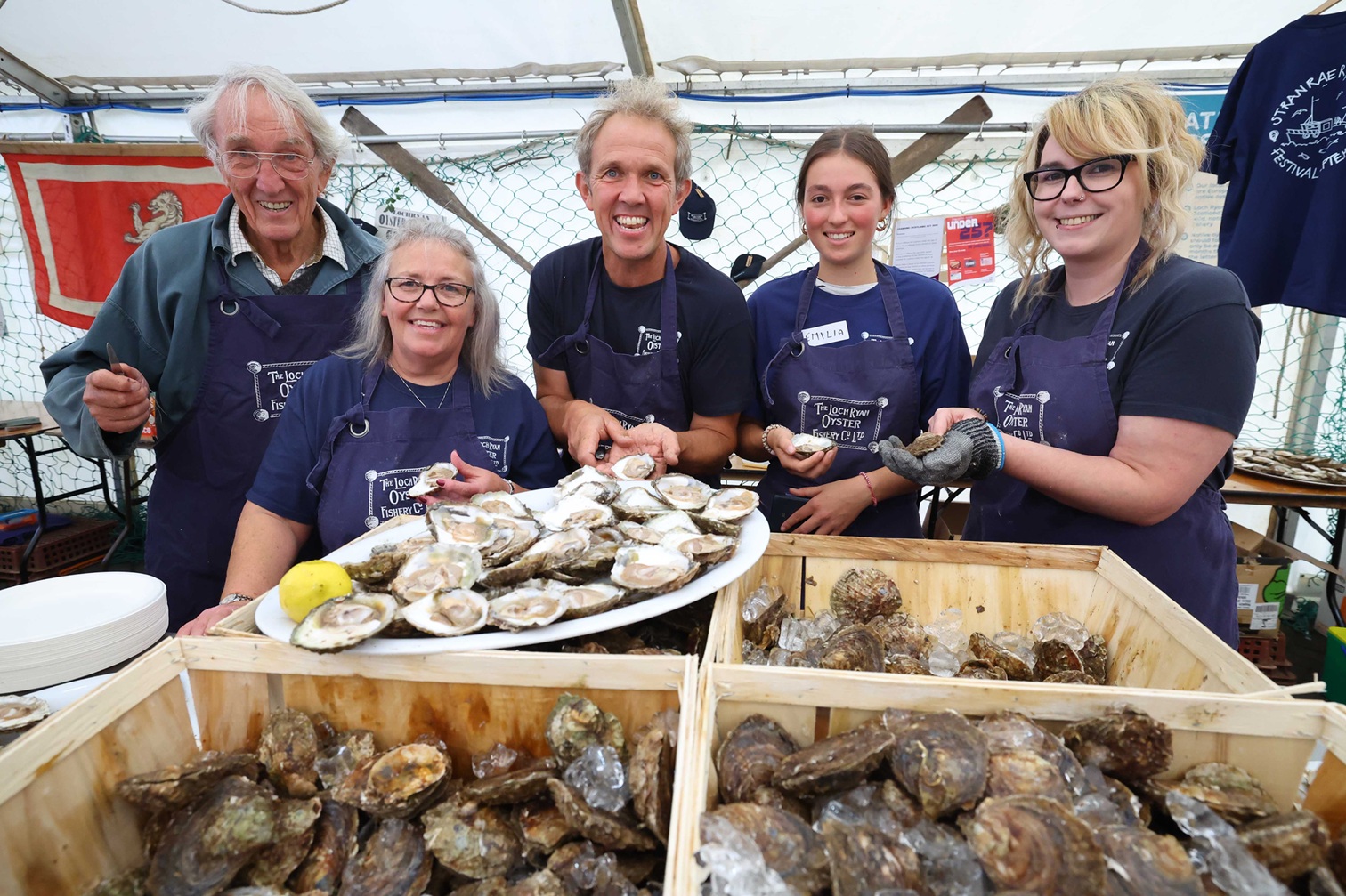
The Stranraer Oyster Festival was launched in 2017 following a challenging period for the town after the relocation of the ferry port from Stranraer to nearby Cairnryan. Rather than relying on traditional destination marketing, organisers looked to something that couldn't be replicated elsewhere: Scotland's last remaining wild native oyster fishery.

What followed is a powerful example of how food and drink can transform an event into a destination marketing platform.

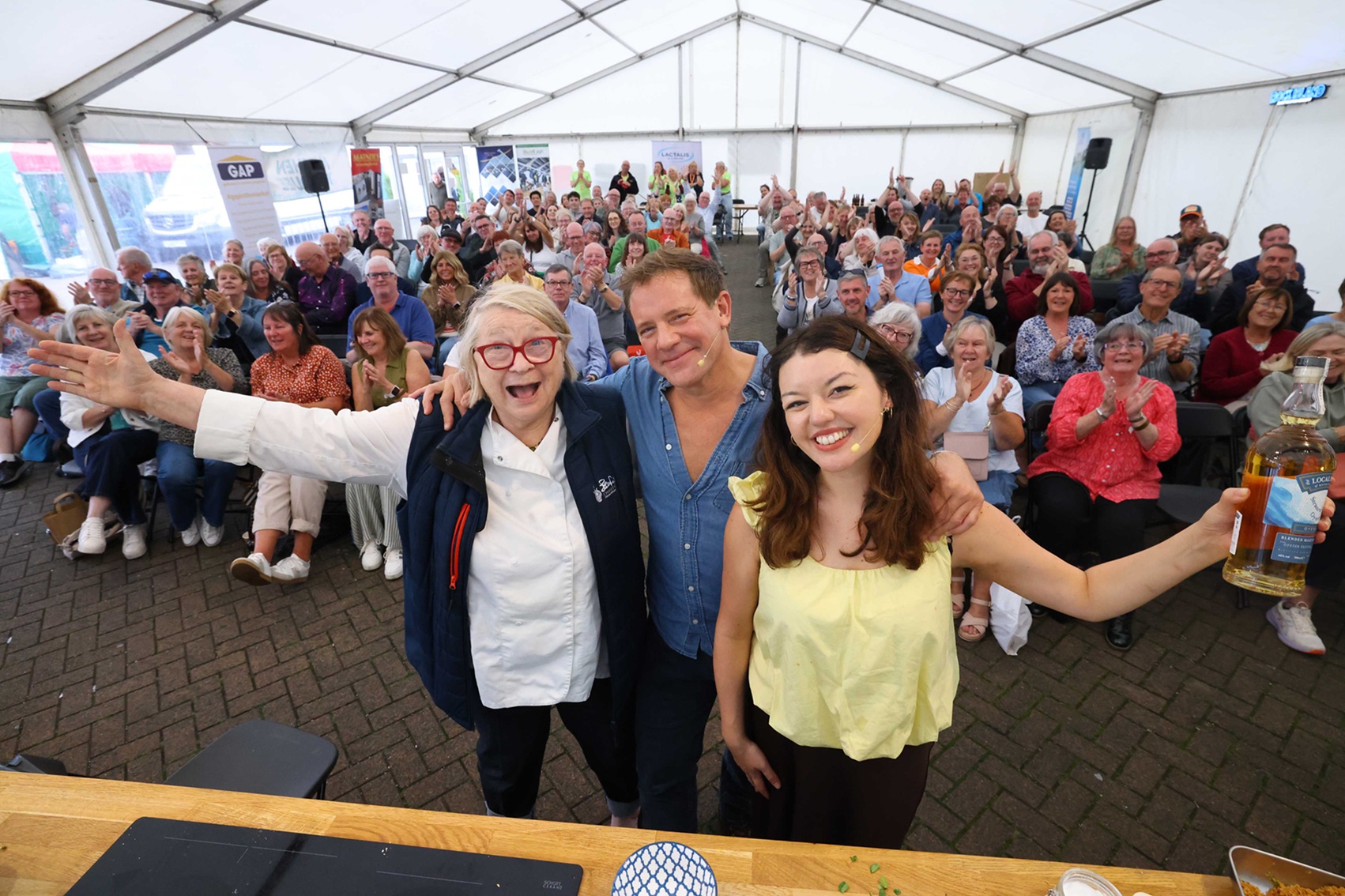
At its heart, the festival isn't simply about oysters. It's about telling the story of place. Visitors are introduced to Loch Ryan's unique natural environment, the area's heritage, local producers and the wider community through a programme that combines food, drink, culture, music and entertainment.


The results demonstrate the power of that approach.

Although the full economic impact has still to be assessed, 2026 saw record ticket sales, a complete sell out of the oyster bar and reports of fully booked accommodation across Galloway. Organisers report a marked change in visitor patterns in recent years, switching from day trips to extended stays planned well in advance. Indeed, Stranraer’s largest hotel sold out for the 2027 festival within days of the dates being announced.

The festival has also helped reshape perceptions of Stranraer itself and the town has increasingly become known for its food, culture and visitor experiences. It demonstrates how a distinctive local product, when paired with strong storytelling and an engaging visitor experience, can become a powerful tool for place-making.

Stranraer Oyster Festival was created, very intentionally, to change the story of our town from a story of economic decline to a story of destination opportunity. Showcasing the people, produce and place is at the very heart of our approach. The native oysters of Loch Ryan gives us a distinctive offer to visitors, but the heart of our festival is the community itself.

Romano Petrucci, Chair of Stranraer Development Trust, the community organisation that runs the festival

Oban: building a destination identity around food and drink

If Stranraer shows the potential of a food-focused event, Oban demonstrates how food and drink can become part of a destination’s identity.

For years, the west coast town has proudly promoted itself as Scotland's Seafood Capital. It's a simple message, but one that works - it is evident as soon as you arrive in town.

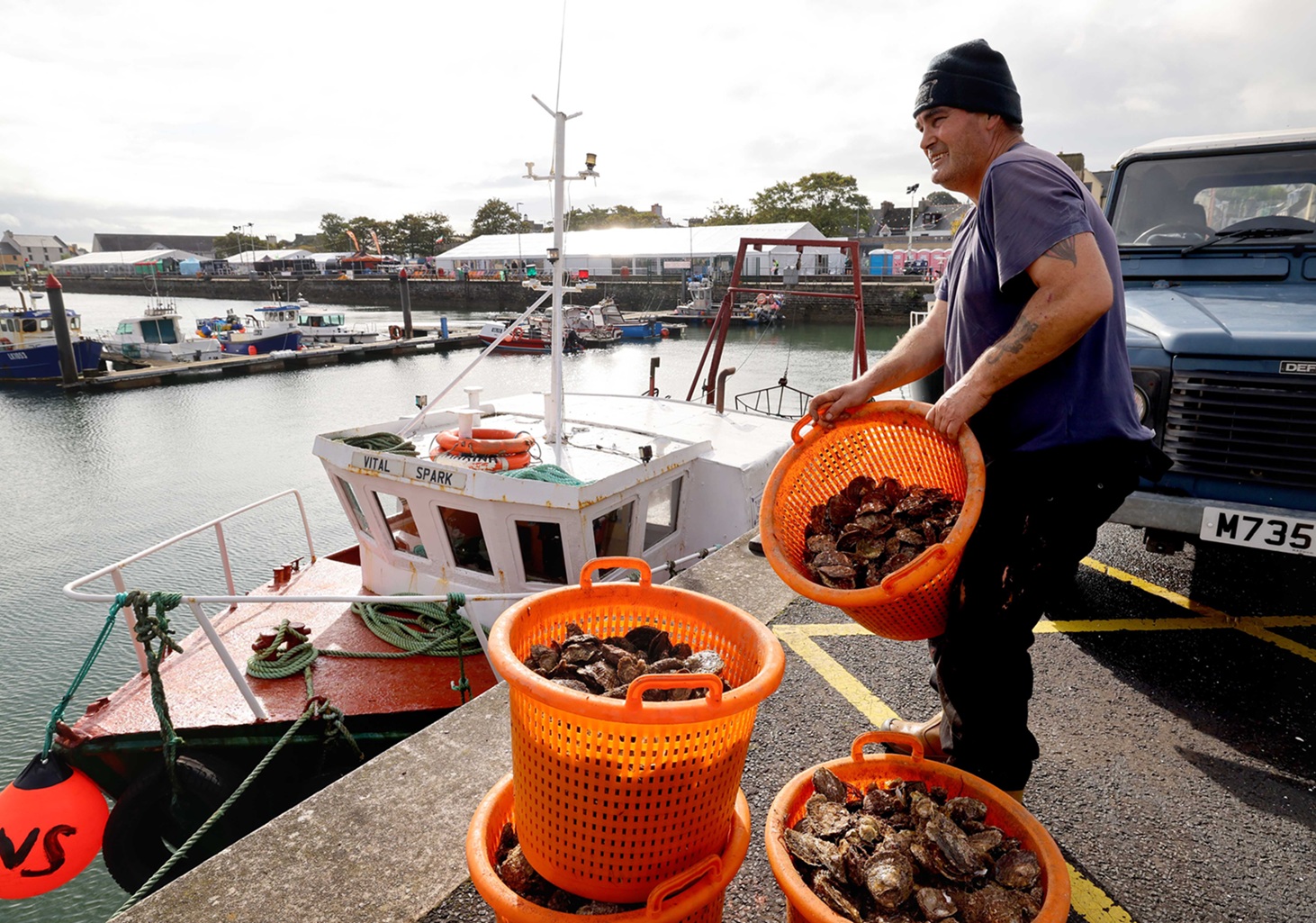
On arrival, fishing boats line the harbour and a mixture of award-winning fine dining restaurants to family-friendly gastro pubs showcase the local produce. The connection between place and plate is visible at every turn.

What makes Oban particularly effective as a food tourism destination is the way it links culinary experiences with the wider visitor offer.

The town's food and drink story naturally connects with island-hopping adventures to Mull, Iona, Coll and Tiree, wildlife experiences, coastal landscapes, heritage attractions and outdoor activities. Visitors may arrive for the seafood, but they often leave having experienced much more.

Distilleries such as Oban Distillery, one of Scotland's oldest licensed distilleries, add another layer to the region’s identity, creating a richer food-and-drink narrative that appeals to a broad range of visitors.

The success of Oban's positioning offers an important lesson for destinations. Rather than promoting a long list of disconnected attractions, it has built a clear and memorable identity around something authentic, distinctive and rooted in place.

You don't have to spend long in Oban to see why it's rightfully named the Seafood Capital of Scotland. It boasts an abundance of seafood, served daily across the town's restaurants, shacks and shops. That unique connection between place and plate leaves you intrigued to explore further, whether that's hopping on a ferry to the Isles or visiting a local distillery with centuries of history behind it.

Wild About Argyll, the region's Destination Management Organisation

Other things you might like