Visit Scotland | Alba

Looking for advice and support to start, improve, grow, or promote your business? View our Business Support Hub.

Article published 05/11/2026

Q&A with Marc Crothall MBE

The Tourism and Hospitality Industry Leadership Group (ILG) has been established to bring together industry leaders, Scottish Ministers and public agencies to support the sectors’ growth, unlock their potential and help shape a sustainable future for Scottish tourism and hospitality.

Through collaboration, shared leadership and partnership, the ILG provides a strategic forum to address the opportunities and challenges facing the industry.

Its work is aligned with Scotland Outlook 2030: Responsible Tourism for a Sustainable Future, Scotland’s national tourism strategy, and the wider ambitions of the National Strategy for Economic Transformation (NSET).

We caught up with Marc Crothall MBE, Chair of the ILG and Chief Executive of the Scottish Tourism Alliance, to talk about the role of the ILG and the future of Scotland's visitor economy.
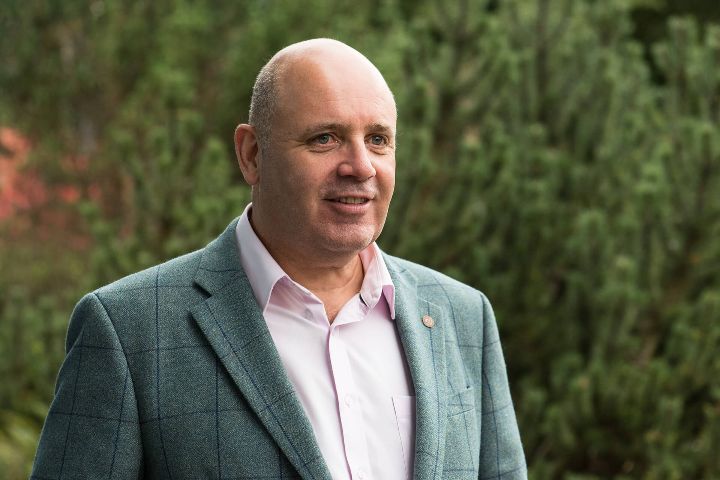
Marc Crothall

Marc Crothall MBE, ILG Chair and Chief Executive of Scottish Tourism Alliance

What does the ILG do?

The ILG is a valuable forum which meets throughout the year as a group and in subgroups. It brings together strategic thinkers and leaders from across industry and the public sector who have a drive and desire to see the sector develop and thrive.

The group comes together in an independent capacity to share our expertise, insights and perspectives on the opportunities and challenges facing the visitor economy.

By fostering collaboration across organisations, we can work in the best interests of the wider sector, build a shared understanding of key issues and opportunities, and help shape strategic, future-focused priorities that deliver long-term benefits for the industry.

Why is it important to have this range of expertise around the table?

The visitor economy is something that benefits everyone, not just visitors. Its success spreads into other sectors and industries, which is why it is so important to have a broad range of industry, public sector and third sector experience around the table.

Scotland Outlook 2030 is a bold national strategy that requires collective action across the entire visitor economy.  In my view, achieving its ambitions cannot be the responsibility of any single organisation or sector alone and the ILG is a forum that represents collective strategic ownership.

By bringing together representatives from across different organisations, we can ensure that a wide range of perspectives, expertise and experiences inform our discussions and decision-making.

Ultimately, in my opinion, it is this breadth of experience around the table helps the strategy remain representative, relevant and responsive and the group having the credibility that it does.


staff at hotel

Staff at Peebles Hydro, Scottish Borders

What does a thriving visitor economy bring to Scotland?

Scotland’s visitor economy is a real force for good, generating economic, social and cultural value in communities across the country.

It supports jobs and businesses while driving activity across a wide network of sectors, including hospitality, transport, retail, food and drink, culture, events and attractions.

The benefits are felt well beyond the tourism industry itself, with visitor spending helping to sustain local services, support community assets and attract investment that enhances places for both residents and visitors.


visitors at an attraction

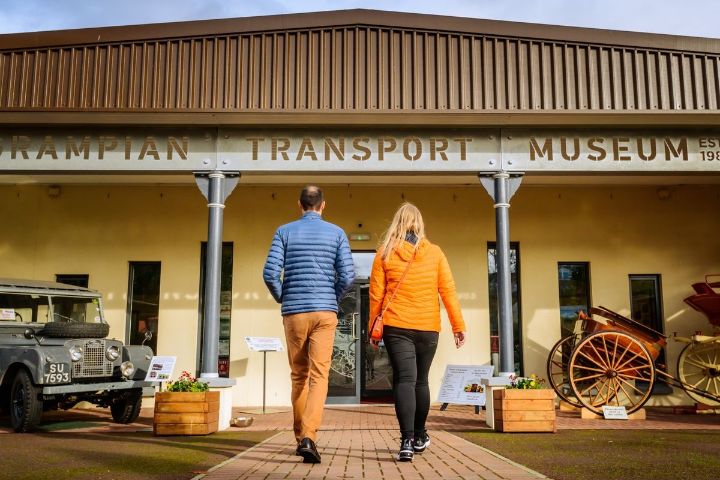
Visitors attending the Grampian Transport Museum

What are the biggest opportunities for the tourism and events sector, and how can the ILG help drive progress?

Data and insight

For me, one of the most significant opportunities lies in the increasing availability of data, insight and market intelligence on a timelier basis. A better understanding of visitor behaviour, changing consumer expectations, emerging markets and travel trends allows us to make smarter decisions about investment, product development and destination marketing.

I believe that this will not only help inform our thinking regarding product investment and marketing activity to attract more visitors, but to attract the right visitors, encourage longer stays, increase visitor spend and spread demand more effectively throughout the year and across the country.


Event opportunities

Ensuring we have a continued pipeline of major events presents another important opportunity. From cultural and sporting events to business events and international conferences, these occasions provide a global stage to showcase modern Scotland at its very best. However, success must not be measured solely by attendance figures or immediate economic impact the longer-term impact must be considered too. The real opportunity is to maximise the long-term legacy of these events by strengthening Scotland's international reputation, attracting future visitors and investors, creating skills and volunteering opportunities, and generating benefits that continue long after the event itself has concluded.

Connectivity

Connectivity is equally critical to unlocking future growth, especially growing our international air routes, and not just into Edinburgh but Glasgow and Aberdeen too. Having reliable sustainable domestic transport networks is essential both for the visitors and our workforce – not forgetting the importance of having robust digital connectivity. All have a direct influence on Scotland's competitiveness as a destination.


Skills development

Workforce and skills development also represent a significant opportunity. The visitor economy is ultimately powered by people, and it's critical that the many opportunities that tourism and hospitality sector offer are promoted from early school years, showing it is an attractive place to build a career. Growing a next generation workforce is fundamental to our future success.

The ILG has a particularly important role in helping drive and progress across these areas. Through our mission-led approach, we can provide leadership and strategic direction on the issues that matter most to the future success of Scotland's visitor economy.

How can Scotland's tourism and events sector remain competitive in the years to come?

To remain competitive and resilient in the years ahead, Scotland's visitor economy must be on everyone’s agenda – it cannot be viewed in isolation. It is intrinsically linked to wider national priorities including economic growth, regional prosperity, infrastructure investment, culture, transport and community wellbeing. Tourism acts as a catalyst for growth across many sectors, creating demand for local supply chains, supporting businesses, and helping attract investment into places.

Looking ahead, I think resilience will continue to be hugely important. The sector has demonstrated its ability to adapt through significant challenges in recent years, and that adaptability will remain vital as businesses respond to changing consumer expectations, technological advances, economic pressures and environmental considerations.

Success will depend on the right conditions being in place, including a commitment to investment by both the public and private sector. There must be supportive policy and continued strong collaboration across government, industry and communities. All of these work together to create the conditions for sustainable growth. Tourism and Hospitality must be seen and positioned as a future industry.

People work on computer

People working on their business website

Other things you might like